
Pet Hospitalisation

Compassionate care when it matters most
We understand that having your pet hospitalised can be an emotional and stressful experience. Our priority is to provide exceptional medical care while ensuring your pet feels safe, comfortable and supported throughout their stay. Hospitalisation is often necessary for serious injuries, illnesses or post-surgical recovery, to allow us to continuously monitor and provide advanced treatment options.
Scroll below for our guide outlining why hospitalisation may be required, what to expect during your pet’s stay and how we tailor care to meet the unique needs of dogs, cats and rabbits.
🐾 Why Pets May Require Hospitalisation
Pets may be admitted to the hospital for a variety of medical reasons, including:
• Post-Surgical Recovery: After major procedures, pets benefit from close monitoring to manage pain and prevent complications.
• Severe Illnesses: Conditions such as pneumonia, kidney failure or heart disease often require intensive care, including IV fluids, medication and oxygen therapy.
• Injury Treatment: Traumatic injuries for example fractures or deep wounds need immediate and ongoing medical attention.
• Chronic Conditions: Pets with long-term health issues such as diabetes or liver disease may need a stay with us to stabilise their condition and adjust treatment plans.
• Diagnostic Testing: Some pets are hospitalised for procedures such as ultrasounds, X-rays or blood tests that require sedation or observation over an extended time.
🩺 What to Expect During Your Pet’s Hospital Stay
 Continuous Monitoring and Care
Our team provides round-the-clock supervision, using systems to monitor vital signs such as heart rate, blood pressure and oxygen levels. Any changes in your pet’s condition are addressed promptly.
Pain Management
We develop individualised pain management plans because your pet’s comfort is our top priority.
Nutrition and Hydration
Proper nourishment is essential for recovery. If your pet is unable to eat or drink independently, we provide IV fluids alongside feeding support to maintain hydration and nutrition.
Infectious Disease Isolation
Pets with contagious illnesses are cared for in a dedicated isolation unit to protect them and prevent the spread of infection within the hospital.
🐶 Hospitalisation for Dogs
Common Reasons
• Gastrointestinal issues (vomiting, diarrhea, bloat)
• Orthopedic injuries (fractures, ligament tears)
• Allergic reactions or poisoning
• Post-operative care following complex surgeries (occasionally also needed after spaying, neutering)
Special Care
Dogs may experience anxiety during a stay away from home. Our team creates a calm, reassuring environment with regular bathroom breaks and support (if your pet likes cuddles or gentle strokes, a member of our team will be there with open arms!).
🐱 Hospitalisation for Cats
Common Reasons
• Respiratory conditions (asthma, pneumonia)
• Kidney or urinary tract disorders
• Ingestion of toxins or foreign objects
• Recovery after dental or mass removal surgeries
Special Care
Cats are sensitive to unfamiliar surroundings. We provide a cat-friendly quiet space to help your cat feel more at ease.
🐰 Hospitalisation for Rabbits
Common Reasons
• Gastrointestinal stasis and digestive issues
• Dental problems requiring expert care
• Infections or abscesses
• Post-surgical recovery (spaying, neutering)
Special Care
Rabbits have delicate digestive systems and are highly sensitive to stress. We maintain a peaceful environment and ensure they receive their regular diet—including hay and fresh vegetables—to support digestive health.
👋 Visiting Your Pet
We know how important it is to keep close and involved with your pet. We can offer flexible visiting hours so you can spend time with your them if their stay with us is prolonged. We will, of course, give you regular updates and will notify you immediately of any changes in your pet’s condition.
🏡 Discharge and aftercare
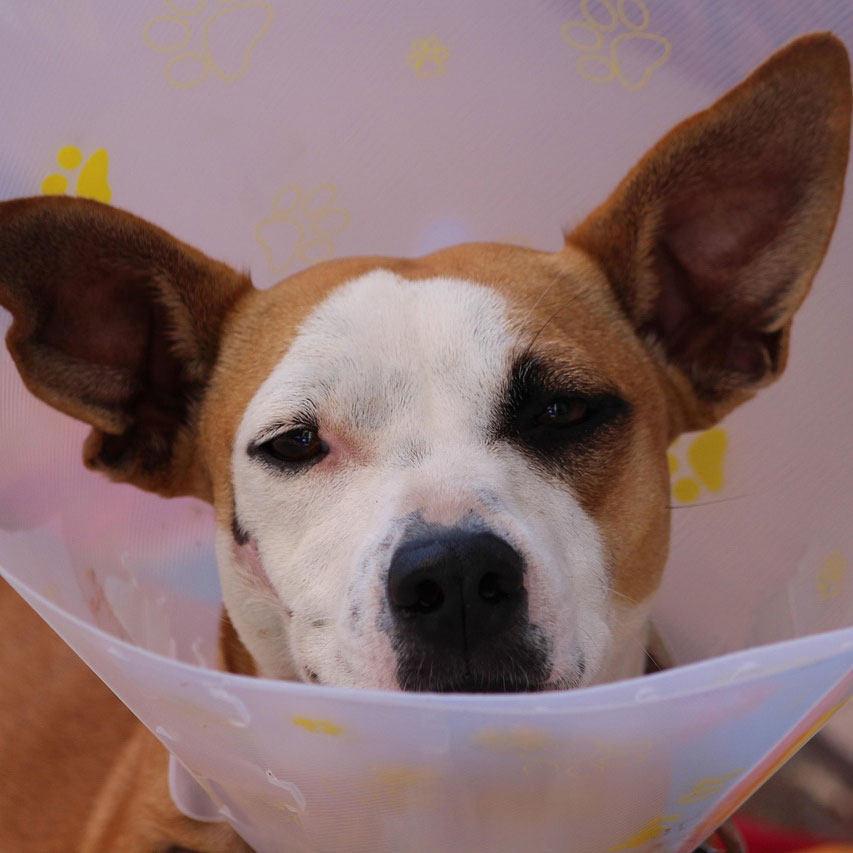 When your pet is ready to return home, we provide clear aftercare instructions, including:
• Medication schedules
• Dietary recommendations
• Suggestions for creating a safe and comfortable recovery space and plan when to return to activities
We will also arrange follow-up appointments with you to monitor progress and ensure a smooth recovery.


