
Emergency and Ambulance Service
Responding to a Pet Emergency: what every pet owner should know
In an emergency, acting quickly and calmly can make all the difference. Whether your pet is experiencing sudden distress or has suffered an injury, knowing what to do, and when to seek help, is essential.
We are on call to offer emergency care 24 hours a day, 7 days a week, 365 days a year – because emergencies don’t wait – and neither do we.
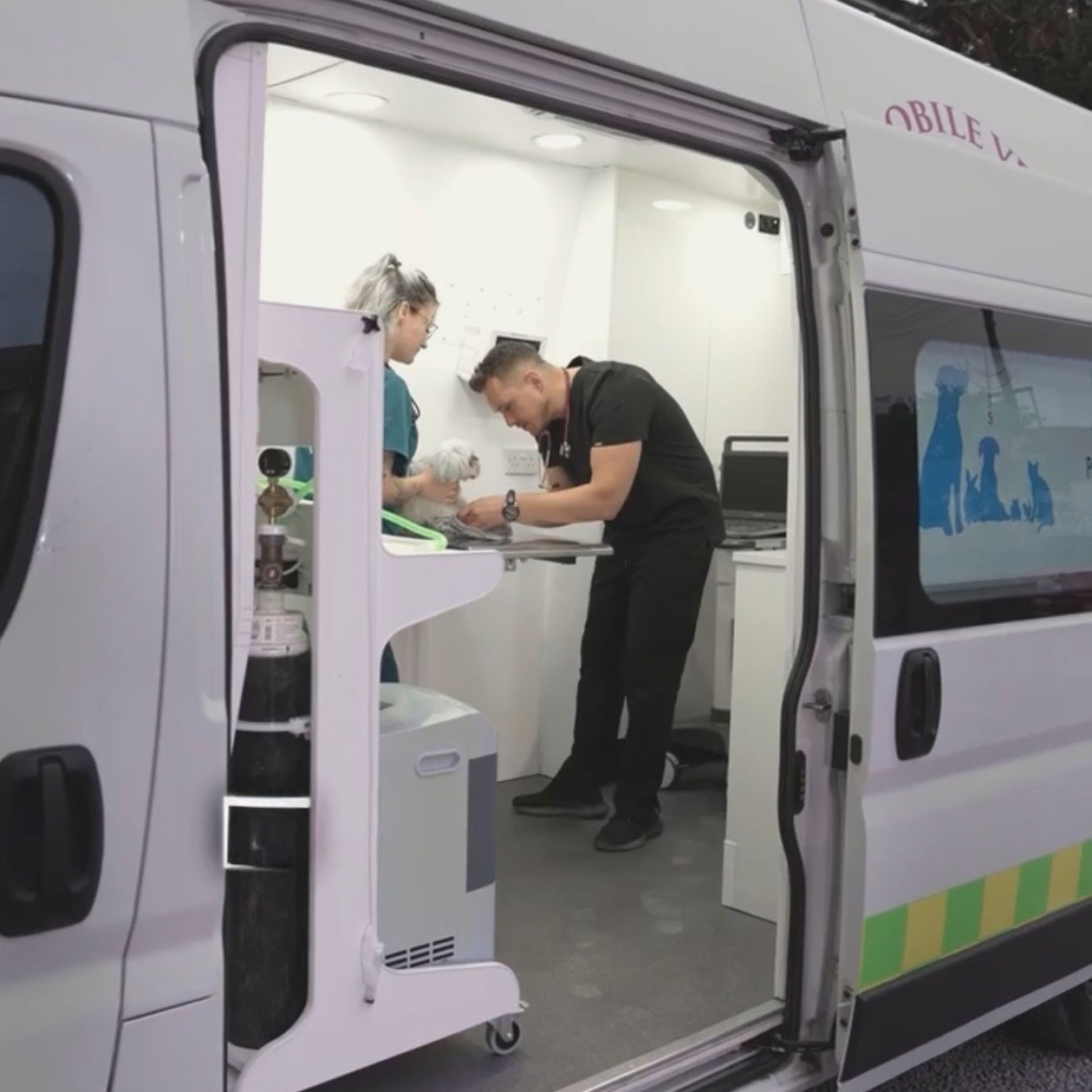
When your pet needs urgent help, our emergency and ambulance service provides rapid, reliable support when it matters most. Our team is trained to respond calmly and efficiently, ensuring your pet receives immediate care on the scene and safe transport to the practice if necessary. We’re here to give you reassurance and guidance during stressful moments, helping your companion get the attention they need without delay.
Recognising a Pet Emergency
Understanding the signs of a serious medical issue can help you respond promptly. Common indicators include:
• Severe trauma: Injuries from accidents, falls, or blunt force.
• Breathing difficulties: Laboured breathing, gasping, or choking.
• Unconsciousness or collapse: Sudden fainting or inability to stand.
• Severe bleeding: Bleeding that doesn’t stop with gentle pressure.
• Poisoning symptoms: Vomiting, seizures, tremors or unusual behaviour following exposure to toxins.
If you notice any of these signs, contact us on 📞 01354694794
🛠️ Steps to Take During a Pet Emergency
• Stay calm Your pet may be frightened or in pain. Remaining calm helps you think clearly and reassures your pet.
• Contact us to explain the situation and we will give you guidance on next steps.
• Transport safely Use a secure carrier for cats and a leash for dogs. If your pet is injured, gently support their body to prevent further harm during transport. If you are unable to move your per safely – we can come to you in our exclusive, fully equipped ambulance.
• Provide basic first aid If it’s safe to do so and under guidance of our team, you can help by:
– Applying pressure to control bleeding with a clean lint-free cloth
– Keeping your pet warm and calm
– Avoiding food, water or medication unless advised by a vet
Triovet’s Mobile Veterinary Ambulance: emergency care wherever you need it
At Triovet, our exclusive ambulance service goes far beyond transportation. While we can safely bring your pet to our practice for continued care and monitoring; our mobile unit is fully equipped to deliver comprehensive veterinary support on-site, whether at your home, by the roadside or in any urgent situation.
Our ambulance functions as a mobile veterinary clinic, complete with:
• A sterile, modern operating environment
• Advanced diagnostic and treatment equipment
• The ability to perform emergency consultations and procedures on location
Staffed by our experienced veterinary team (and never outsourced), the unit enables us to provide immediate, high-quality care wherever your pet needs it most, to minimise delays and to maximise comfort during critical moments.
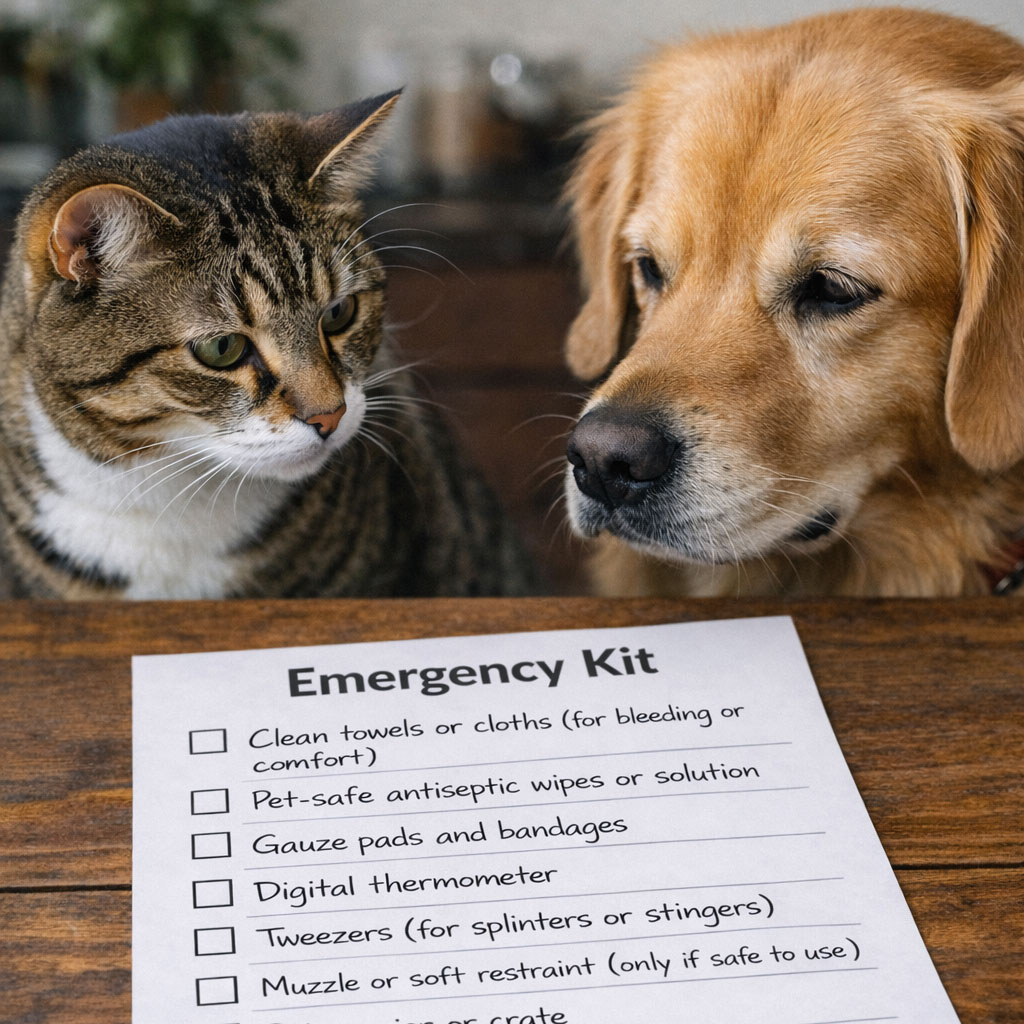
Click here to see our Pet Emergency Checklist: be ready when it matters most
Having a plan in place can make all the difference when your pet needs urgent care. Keep this checklist handy and review it regularly to ensure you’re prepared.


