
Orthopaedics
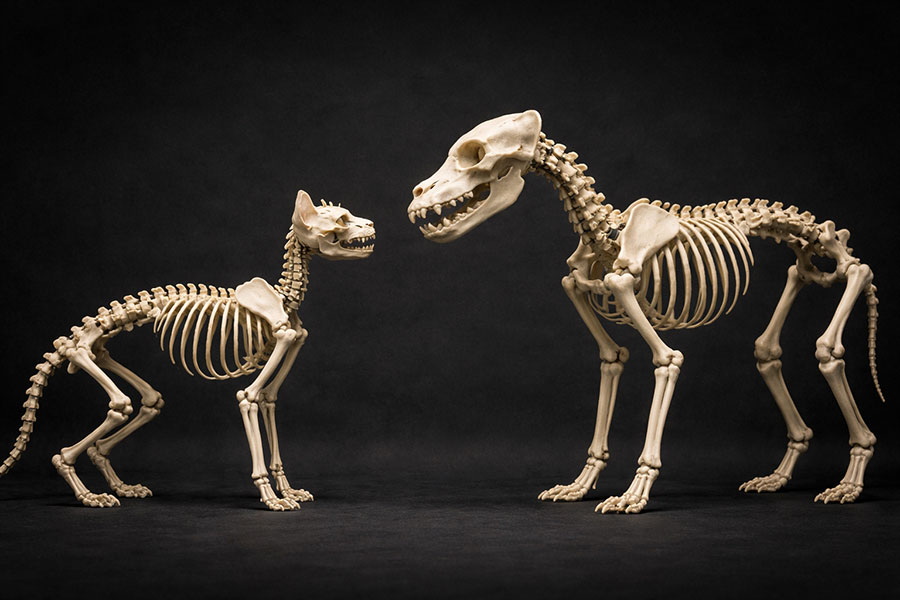
Common problems that our orthopaedic team can treat include:
Fracture (broken bones) repairs
Fractures occur when a bone cracks or breaks, often due to falls, collisions, or high impact accidents. These injuries can be extremely painful and may prevent your dog from putting weight on the affected limb. Without proper treatment, bones may heal incorrectly, leading to long term discomfort or mobility issues.
Most fractures require prompt veterinary attention, and many benefit from surgical repair to realign and stabilise the bone. With the right intervention and careful aftercare, dogs typically recover well and regain normal function.
Cruciate (knee) injuries
The cruciate ligament plays a crucial role in keeping a dog’s knee joint stable, acting almost like a strong internal rope that prevents the joint from sliding out of place. When this ligament becomes damaged (a surprisingly common issue!), especially in active or larger breeds, the knee can suddenly lose its stability.
Many pet parents first spot the problem when their dog starts limping, holding a leg up, or struggling to bear weight after exercise. Cruciate injuries can vary widely, from small partial tears that cause intermittent discomfort to complete ruptures that make walking extremely difficult.
Because the ligament can’t heal on its own, many dogs benefit from surgical repair to restore proper joint function and prevent long term arthritis. With the right treatment and rehabilitation, most dogs return to their usual playful selves.
Hip dysplasia
This condition is easier to understand when you picture the hip joint as a ball and socket that simply doesn’t fit together as snugly as it should. When this joint develops abnormally, it becomes loose and unstable, causing the bones to rub and wear down over time.
The condition is particularly common in larger breeds such as German Shepherds and Labradors, whose rapid growth can put extra strain on developing joints. Dogs affected by hip dysplasia may show signs like stiffness, reluctance to exercise or difficulty getting up after resting. The good news is that, with the right treatment—ranging from weight management and physiotherapy to advanced surgical options—many pets can stay comfortable and active for years.
Dislocations (joints out of place)
A dislocation happens when the bones within a joint are forced out of their normal position. This can occur after sudden twists, slips, or trauma. Dislocations are not only painful but can also damage surrounding ligaments and soft tissues, making the joint unstable.
Immediate veterinary care is essential to reposition the joint safely and prevent further injury. Some dislocations can be corrected without surgery, while others may require surgical stabilisation to ensure the joint remains secure and functions properly during healing.


