
Diagnostics and Imaging
Our in house laboratory and imaging department allows us to obtain quick, accurate results to reach a diagnosis for your pet. We have many highly technological testing facilities, including:
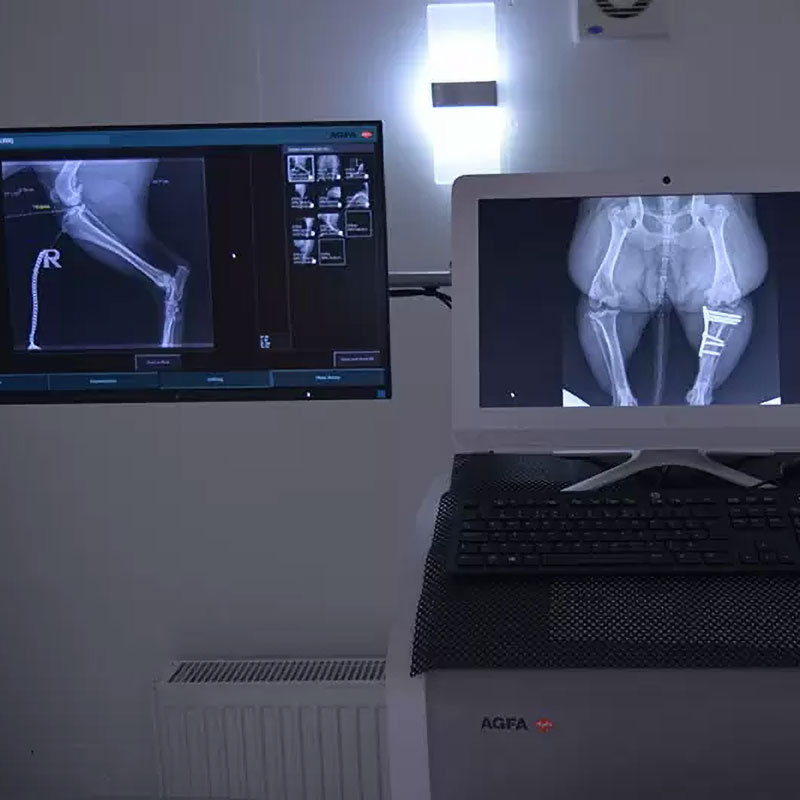
X-ray
Radiography is an essential part of veterinary diagnostics. It allows us to detect a wide range of conditions, from fractures and arthritis to intestinal blockages and heart enlargement. This non-invasive imaging technique helps our team make accurate diagnoses and tailor effective treatment plans for your pet.
Common reasons your dog might need an X-ray include:
• Suspected foreign object ingestion
• Suspected bone fractures or joint problems
• Persistent limping or mobility issues
• Digestive problems (vomiting, diarrhoea, constipation)
• Difficulty breathing or persisten coughing
• Dental disease assessment
• Cancer screening and tumour detection
• Heart or lung evalation
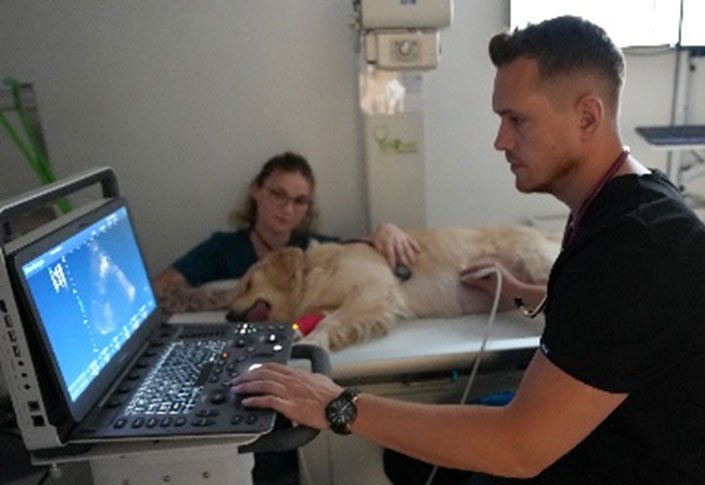
Ultrasound Imaging for Pets
Ultrasound is a non-invasive diagnostic tool that uses sound waves to create real-time images of internal organs and tissues. Unlike X-rays or CT scans, it doesn’t involve radiation, making it an extremely safe option and therefore perfect for pregnancy detection in pets.
We commonly use ultrasound to assess soft tissues that are difficult to evaluate with other imaging methods. It’s particularly valuable for examining the abdomen, heart and other internal structures; helping to detect abnormalities in organ size, shape, or texture. The procedure is painless and typically takes 30 to 60 minutes, depending on the complexity of the case.
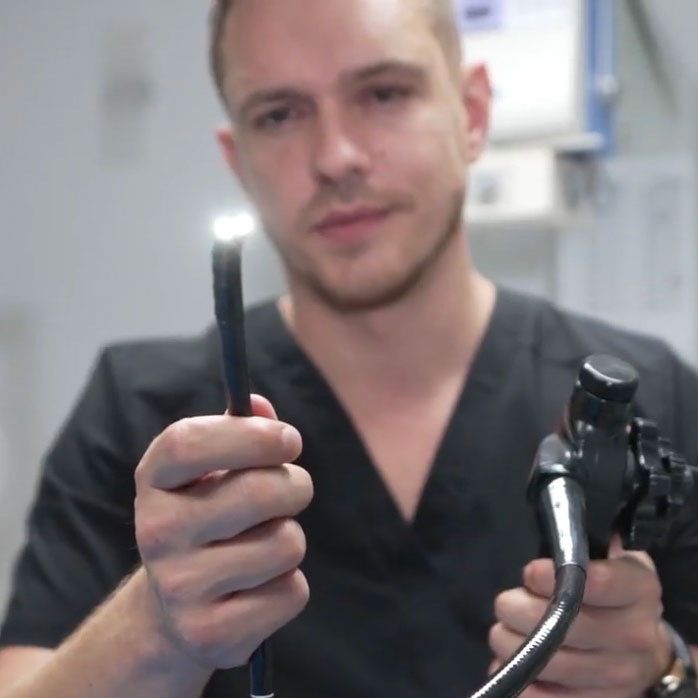
Vet Endoscopy
Vet Endoscopy is a minimally invasive procedure where we use a flexible or rigid endoscope – a long, camera-equipped tube – to examine your pet’s internal organs. This tool is inserted through natural openings (like the mouth or nose), or sometimes through a tiny incision, depending on the area being explored.
Using the endoscope gives us the ability to perform procedures such as:
• Gastroscopy (examining the stomach)
• Colonoscopy (large intestine)
• Bronchoscopy (airways/trachea)
• Rhinoscopy (nasal passages)
• Otoscopy (ear drum and canals)
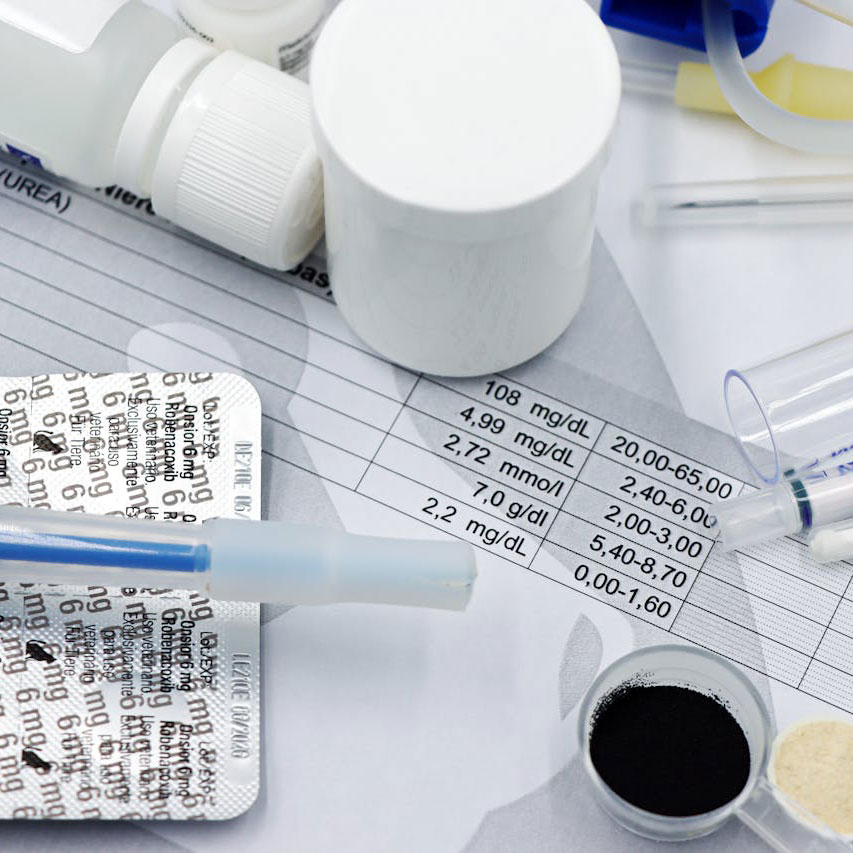
In-house Blood Work
We have, within both practices, the facilities to run full blood testing, including bio chemistry (assessing organ function/electrolytes) haematology (assessing red blood cells/white blood cells) and hormonal, endrocrine tests (thyroid, projesterone, pancreas).
In-house Urinalysis
Our urinary analysers are capable of detecting crystals and bacteria as an initial step before sending samples off externally (if necessary).
Tumour Identification Systems
Our new HT-Vista programme offers a non-invasive method of analysing certain masses to determine whether they are benign or malignant and therefore tailor the best treatment plan for you and your pet.
The process is quick, pain free and can be performed consciously! The machine works by generating heat at the head of the scanner for around 10 seconds, it then measures how quickly the tissues cools over a further 40 second interval. Analysers examine the thermal patterns, which vary between healthy/abnormal tissues due to the varying blood supply, structure and metabolism. The result is given as a percentage, indicating the likelihood of the mass being benign, or cancerous- in certain instances, even offering a diagnosis of the mass type.


