
Preventative health checks and vaccinations
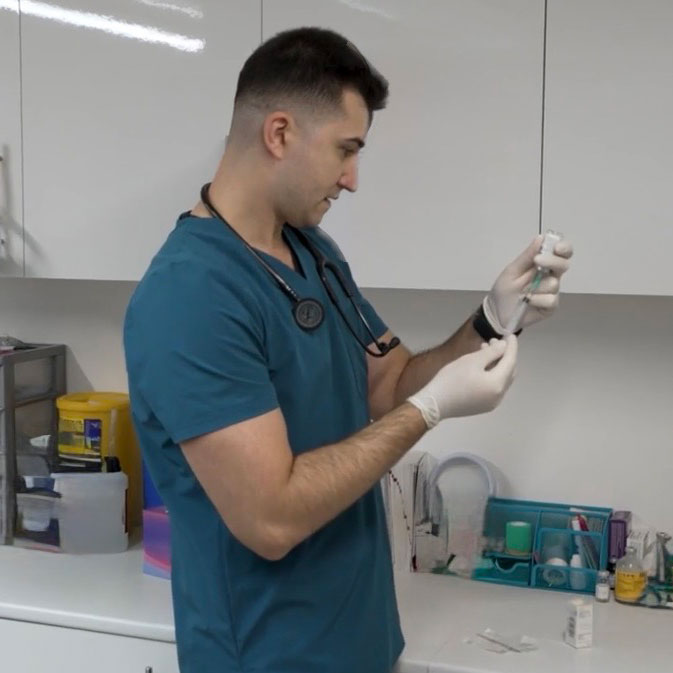
Protecting your pet through preventive care
As a devoted pet owner, one of the most important steps you can take to ensure your companion’s long-term health is protecting them from preventable diseases. Vaccinations are a cornerstone of proactive veterinary care, shielding pets from common illnesses that can lead to serious complications or even become life-threatening.
At Triovet, we are committed to helping you keep your cats, dogs and rabbits safe and healthy. Our vaccination services are designed to provide clear guidance on recommended schedules, the conditions vaccines help prevent and why immunisation is essential to your pet’s wellbeing.
Why Vaccinations Matter
Vaccines work by strengthening your pet’s immune system; preparing it to recognise and fight off harmful bacteria and viruses. By introducing a harmless version of a pathogen*, vaccines train the body to respond effectively if exposed in the future. Benefits include:
• Individual protection against serious diseases such as; leptospirosis, distemper and myxomatosis
• Community health by reducing the spread of contagious illnesses among animals and in some cases; humans
• Peace of mind for pet owners who want to give their companions the best chance at a long and vibrant life
*a pathogen is a tiny organism (like a virus or bacteria) that can cause disease. It’s basically a germ that has the ability to make animals or people unwell.


